This website is for historians, researchers, and genealogists
seeking more information related to the
MEDIEVAL NEWBURGH FAMILY OF DORSET, ENGLAND
1088 to 1630
seeking more information related to the
MEDIEVAL NEWBURGH FAMILY OF DORSET, ENGLAND
1088 to 1630
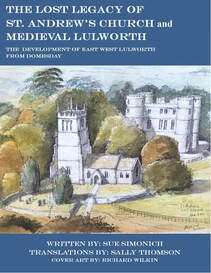
Over the past twenty-five years, I have studied the armigerous Newburgh family of Dorset. In 2007, I discovered that most published histories concerning the fifteenth century family were incomplete, inaccurate, or misunderstood. Early historians such as Coker and La Roque provided reliable information for early generations of the cadet line descended from Henry Newburgh, 1st Norman Earl of Warwick. However, after over three hundred years of in capite residence, the Wars of the Roses accelerated the family’s decline and led to their eventual extinction at East Lulworth .
Earlier, the Newburgh story took a dramatic turn about 1431, when John Newburgh Esq. of East Lulworth fathered a bastard son, WILLIAM, with his mistress Alice Carent. At roughly the same time, his lawful wife, Edith Attemore, bore his legitimate son and heir, JOHN JR.
As the Wars of the Roses intensified, the family fractured along political lines. William, a Lancastrian, was killed at the Battle of Tewkesbury on 5 May 1471.
Afterward, family harmony collapsed. By 1461, William's half-brother, John Jr., had aligned himself with Edward IV and was likely present at the Tewkesbury battle when William was executed. Curiously, William was posthumously knighted on the day of his death. But by whom?
Since then, historians have largely erased or conflated John Jr. with others of the same name. He died 1 March 1496., at Tonerspuddle. His son Roger was the only other person mentioned in his will. Records for his children laid buried in archival parchment for centuries, overlooked or misunderstood.
Henry VII’s systematic purging of Yorkist history compounded identification of other male children. With his father's two overlapping families, dual names and similar birth sequences, much of the record became confused - indeed perhaps intentionally obfuscated. At least seven living John Newburghs existed between 1400 and 1485. In the later 15th century, the profiles of two sons were merged into one, resulting in entire branches being lost.
John Jr. was a documented firebrand and Yorkist supporter whose activities appear in extant original calendars and records held at the British Archives in London and the Dorset History Centre in Dorchester.
Eighteenth and twentieth century historians, John Hutchins in his History of Dorset (1774) and Joseph G. Bartlett in the Newbery Genealogy (1914), relied on flawed interpretations. Bartlett copied Hutchins's earlier errors and neglected delving into 15th century original records. Additionally, they both failed to recognize the sequence of John Esq.’s two relationships: first to Edith Attemore (m. 15 April 1422, d. c. 1448), and later to Alice Carent (m. 1448, d. 1482).
His second wife, Alice Carent (widow of John Westbury), had previously been Newburgh's mistress.
Tensions between the two bloodlines — Lancastrian and Yorkist — influenced how historians treated Edith's sons. As a result, the legitimate Yorkist line through John Jr. was sidelined, while Alice’s line received disproportionate attention, likely due to her family’s connections to the Beauforts and later with the Tudors.
After two decades of painstaking research involving the translation of original Latin and old English documents, I have reconstructed the missing fifteenth century lines with the professional assistance of several experts and skilled paleographers.
If you have traced your Newbery/Newburgh ancestry to Thomas Newburgh, son of John Newburgh Esq. of East Lulworth based on earlier published works, evidence now proves our American ancestral line descends from his brother, John Jr. of Tonerspuddle, specifically through his son, Sir Roger Newburgh. (See his arms below). Sir Roger became Seneschal of Milton Abbey in 1511. His history is somewhat vague, but one document proves his son Walter was the true progenitor of seventeenth century Dorset/Devon lines that sailed for America in 1634.
My goal is to correct the historical record and resurrect overlooked branches in Dorset, Devon, Somerset and Wiltshire. Watch for my forthcoming book, The Lost Line of the Dorset Newburghs, expected by or before 2028. In the meantime, you are invited to follow ongoing research through the newsletters on this website. Sign up on the contact page to be notified of new developments and publications.
DISCLAIMER: The embedded newsletters are based on ongoing research that commenced in 2014. The information presented is not necessarily conclusive until formally published under copyright by the author.
Earlier, the Newburgh story took a dramatic turn about 1431, when John Newburgh Esq. of East Lulworth fathered a bastard son, WILLIAM, with his mistress Alice Carent. At roughly the same time, his lawful wife, Edith Attemore, bore his legitimate son and heir, JOHN JR.
As the Wars of the Roses intensified, the family fractured along political lines. William, a Lancastrian, was killed at the Battle of Tewkesbury on 5 May 1471.
Afterward, family harmony collapsed. By 1461, William's half-brother, John Jr., had aligned himself with Edward IV and was likely present at the Tewkesbury battle when William was executed. Curiously, William was posthumously knighted on the day of his death. But by whom?
Since then, historians have largely erased or conflated John Jr. with others of the same name. He died 1 March 1496., at Tonerspuddle. His son Roger was the only other person mentioned in his will. Records for his children laid buried in archival parchment for centuries, overlooked or misunderstood.
Henry VII’s systematic purging of Yorkist history compounded identification of other male children. With his father's two overlapping families, dual names and similar birth sequences, much of the record became confused - indeed perhaps intentionally obfuscated. At least seven living John Newburghs existed between 1400 and 1485. In the later 15th century, the profiles of two sons were merged into one, resulting in entire branches being lost.
John Jr. was a documented firebrand and Yorkist supporter whose activities appear in extant original calendars and records held at the British Archives in London and the Dorset History Centre in Dorchester.
Eighteenth and twentieth century historians, John Hutchins in his History of Dorset (1774) and Joseph G. Bartlett in the Newbery Genealogy (1914), relied on flawed interpretations. Bartlett copied Hutchins's earlier errors and neglected delving into 15th century original records. Additionally, they both failed to recognize the sequence of John Esq.’s two relationships: first to Edith Attemore (m. 15 April 1422, d. c. 1448), and later to Alice Carent (m. 1448, d. 1482).
His second wife, Alice Carent (widow of John Westbury), had previously been Newburgh's mistress.
Tensions between the two bloodlines — Lancastrian and Yorkist — influenced how historians treated Edith's sons. As a result, the legitimate Yorkist line through John Jr. was sidelined, while Alice’s line received disproportionate attention, likely due to her family’s connections to the Beauforts and later with the Tudors.
After two decades of painstaking research involving the translation of original Latin and old English documents, I have reconstructed the missing fifteenth century lines with the professional assistance of several experts and skilled paleographers.
If you have traced your Newbery/Newburgh ancestry to Thomas Newburgh, son of John Newburgh Esq. of East Lulworth based on earlier published works, evidence now proves our American ancestral line descends from his brother, John Jr. of Tonerspuddle, specifically through his son, Sir Roger Newburgh. (See his arms below). Sir Roger became Seneschal of Milton Abbey in 1511. His history is somewhat vague, but one document proves his son Walter was the true progenitor of seventeenth century Dorset/Devon lines that sailed for America in 1634.
My goal is to correct the historical record and resurrect overlooked branches in Dorset, Devon, Somerset and Wiltshire. Watch for my forthcoming book, The Lost Line of the Dorset Newburghs, expected by or before 2028. In the meantime, you are invited to follow ongoing research through the newsletters on this website. Sign up on the contact page to be notified of new developments and publications.
DISCLAIMER: The embedded newsletters are based on ongoing research that commenced in 2014. The information presented is not necessarily conclusive until formally published under copyright by the author.